One Health Microbiology & Infection is an international, peer-reviewed, open-access journal dedicated to advancing research on microbiology, infectious diseases, antimicrobial resistance, and the interconnected health of humans, animals, and the environment through a One Health approach.

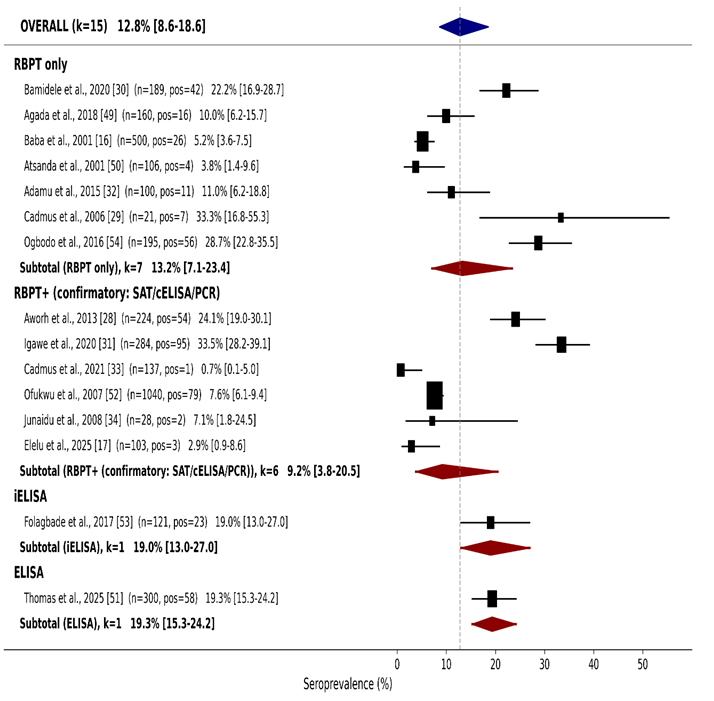
Brucellosis is a neglected occupational zoonosis in Nigeria, driven by a large livestock sector and widespread exposure in high-risk settings. This systematic review and meta-analysis, conducted in accordance with the PRISMA 2020 guidelines, synthesizes evidence from 2001 to 2025 to estimate group-specific occupational seroprevalence of brucellosis in Nigeria. We systematically searched PubMed, Scopus, Medline, Web of Science, African Journals Online, Embase, and Google Scholar, using ResearchGate as a supplementary source of gray literature, for studies reporting laboratory-confirmed human seroprevalence among occupational and nonoccupational comparator groups. We computed pooled estimates with 95% confidence intervals (CIs) using a random-effects (DerSimonian–Laird, logit-transformed) meta-analysis. The final corrected dataset comprises 15 studies from 10 named Nigerian states and the Federal Capital Territory (FCT), spanning 5 of Nigeria's 6 geopolitical zones (North-Central, North-East, North-West, South-East, South-West); no eligible studies from South-South. Overall pooled seroprevalence was 12.8% (95% CI: 8.6–18.6%; I² = 94.0%; raw seroprevalence: 13.6%, 477/3,508). Among nine occupational group studies, pooled seroprevalence was 13.7% (95% CI: 7.8–22.7%), with the highest among abattoir/slaughterhouse workers (27.2%, 95% CI: 21.3–34.1%), followed by livestock/cattle farmers (10.3%), nomadic herdsmen/pastoralists (10.0% and 0.7%, two divergent single- study estimates), and butchers (5.2%). Six non-occupational comparator studies pooled to 11.4% (95% CI: 6.1–20.5%), ranging from 3.8% among internally displaced persons to 28.7% among febrile/malaria patients in Enugu (South- East) and 19. 0% among women with miscarriage in Zaria. A high-quality-only sensitivity analysis (NOS ≥ 7/9) yielded 17.1% (95% CI: 11.0–25.7%). Key risk factors included handling aborted fetal tissue, raw dairy consumption, lack of personal protective equipment (PPE), and unregulated livestock migration. Abattoir workers remain the clearest, most robustly supported occupational risk group in the Nigerian evidence base and should be the priority target for mandatory PPE enforcement, targeted screening, and public health messaging.
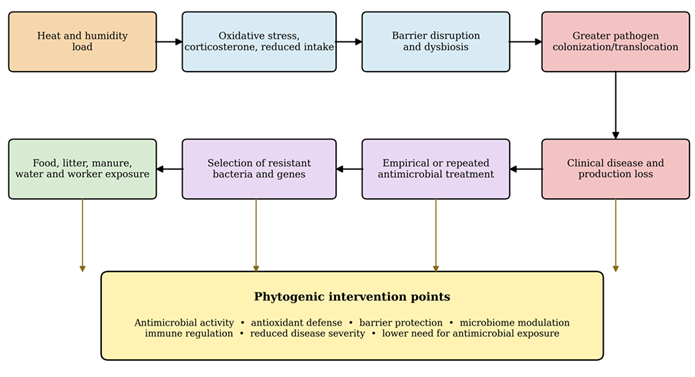
Heat stress affects chickens by reducing feed intake, disrupting redox balance, weakening immune function, and damaging intestinal barriers. These effects increase the risk of enteric infections, complicate treatment decisions, and encourage empirical antimicrobial use. This review examines phytogenic solutions at the intersection of heat stress and infection, assessing whether their advantages support antimicrobial stewardship and One Health goals. Evidence is categorized as direct, proximal, or supportive, with quantitative comparisons extracted when study designs permit. Currently, the strongest evidence supports antioxidant, anti-inflammatory, barrier-protective, and pathogen-reducing effects. Evidence is considerably weaker for reduced antimicrobial use, lower abundance of resistance genes, reduced food-chain contamination, or limited environmental dissemination. Fermented Allium preparations are presented as an illustrative case from hot-climate production systems, not as proof of One Health benefit. We propose a staged evaluation framework: phytogenics should (i) demonstrate animal health and performance benefits; (ii) demonstrate reduced antimicrobial use under defined treatment protocols; (iii) quantify effects on resistance, food safety, and environmental burden; (iv) confirm these effects at commercial scale using standardized outcome reporting. Phytogenics are best positioned as preventive, adjunctive tools alongside climate management, diagnostics, vaccination, biosecurity, veterinary care, and necessary antimicrobial treatment. The objective is not to eliminate antibiotics but to remove unnecessary treatment without compromising bird welfare or clinical outcomes.
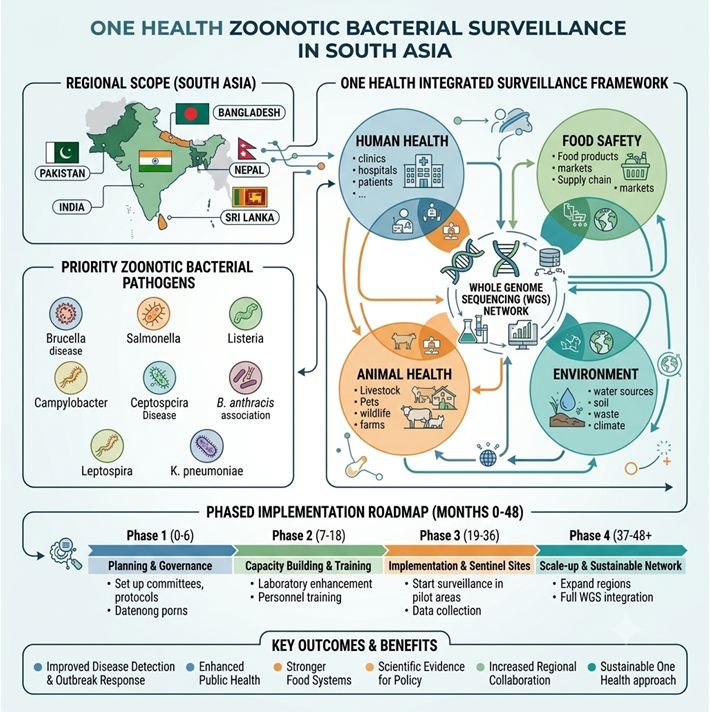
Zoonotic bacterial pathogens impose a substantial and unevenly documented burden on public health, animal health, and food safety. South Asia is home to roughly a quarter of the world's people, and one of the densest livestock populations on earth, yet the epidemiology, antimicrobial resistance, and genomic diversity of its zoonotic bacteria remain poorly characterized. This mini-review synthesizes published evidence from 2000 to 2026 on six pathogen groups of regional priority: Brucella spp., Listeria spp., Klebsiella pneumoniae, Leptospira spp., Bacillus anthracis, and Salmonella spp., with Campylobacter spp. considered alongside Salmonella across Pakistan, India, Bangladesh, Nepal, and Sri Lanka. Evidence is distributed unevenly across these five countries. Brucellosis seroprevalence ranges from 2.0–18.75% in Pakistani livestock, 15% in Nepalese sheep, and 8.4% among Sri Lankan adults. Human leptospirosis in Sri Lanka is estimated at 300.6 per 100,000 population, with a 7.0% case fatality rate. In Bangladesh, 26 cutaneous anthrax outbreaks produced 1,210 suspected human cases between 2013 and 2016. Resistance is severe where measured: 73.5% of Klebsiella pneumoniae isolates from a referral hospital in Kathmandu, Nepal, were multidrug-resistant (MDR), and 97.1% of Campylobacter isolates from Bangladeshi chicken farms met MDR criteria. Sequencing capacity exists in the region and has been applied to typhoidal Salmonella in Bangladesh and Nepal, to Brucella melitensis and Listeria monocytogenes in India, to Leptospira in Sri Lanka, and to clinical Klebsiella collections. However, every such study is a discrete research output; no country operates whole-genome sequencing-based surveillance spanning the human, animal, food, and environmental sectors for the pathogens reviewed here. The gap is therefore one of integration and governance rather than of technology alone. A staged, costed roadmap is proposed, with priority actions, responsible institutions, and indicative timelines, drawing on models from other low- and middle-income regions where genomic surveillance has been established under comparable constraints.
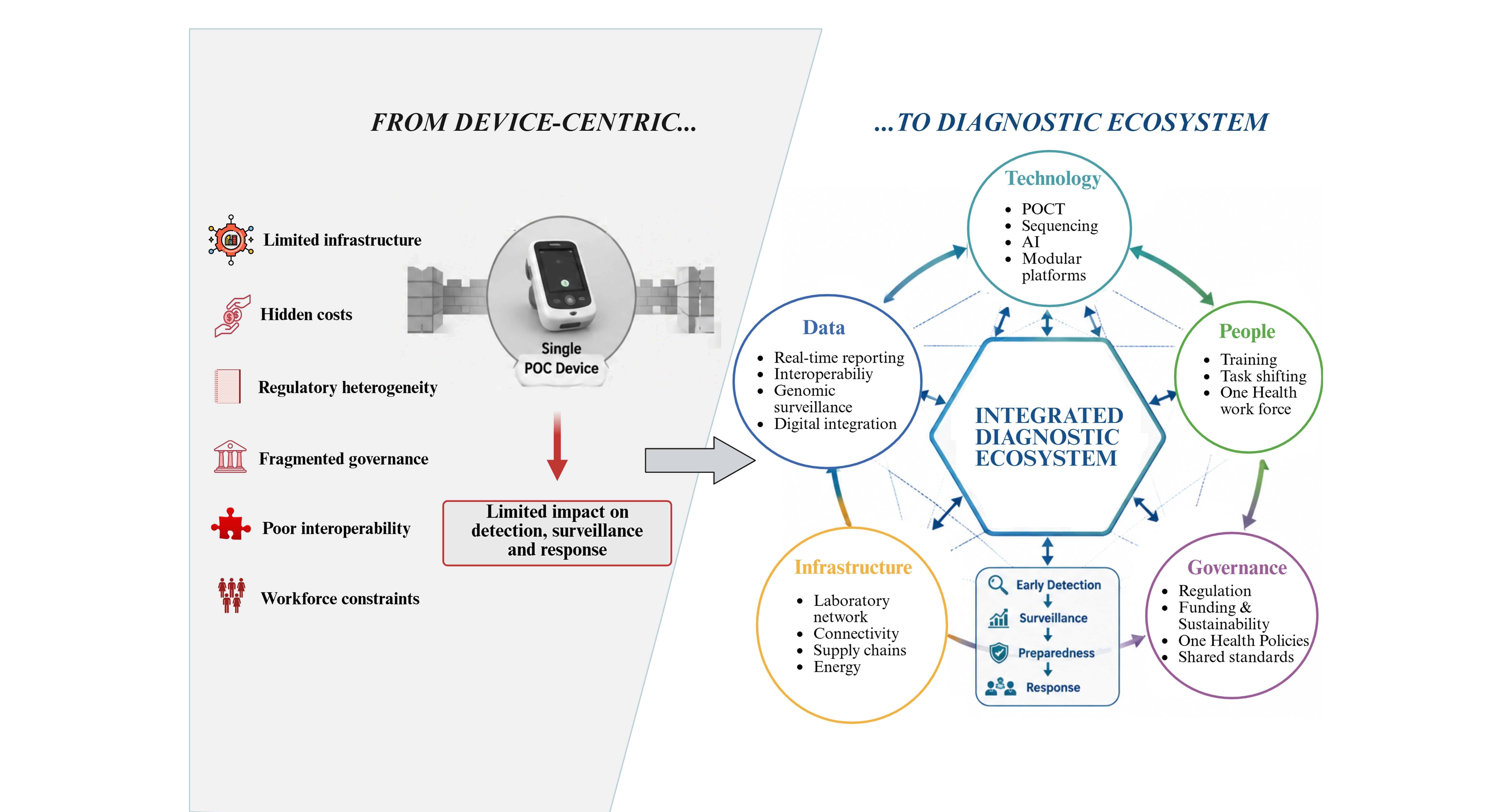
Recent advances in molecular diagnostics and portable sequencing technologies have significantly expanded the technical capabilities of decentralized diagnostic platforms. Point-of-care (POC) diagnostics have emerged as essential tools for improving the surveillance and control of zoonotic diseases within the One Health framework. Despite this, translating these innovations into systematic, routine field implementation remains limited. This perspective argues that the primary barriers are no longer technological performance but rather the complex challenges of large-scale implementation. These challenges include fragmented governance, regulatory heterogeneity, economic constraints, logistical hurdles, workforce capacity, and insufficient integration among human, animal, and environmental health systems. Through a critical analysis of current evidence, this manuscript identifies a gap between technological innovation and operational implementation and advocates a transition from device-centric innovation to integrated diagnostic ecosystems that support coordinated One Health surveillance. Strategic directions are discussed, including adaptable diagnostic platforms, interoperable diagnostic networks, digital integration of surveillance systems, operational decentralization, and unified regulatory pathways. Collectively, these strategies could accelerate the translation of emerging diagnostic technologies into sustainable field applications, maximizing their potential to strengthen early detection, integrated surveillance, and preparedness for current and future zoonotic threats.
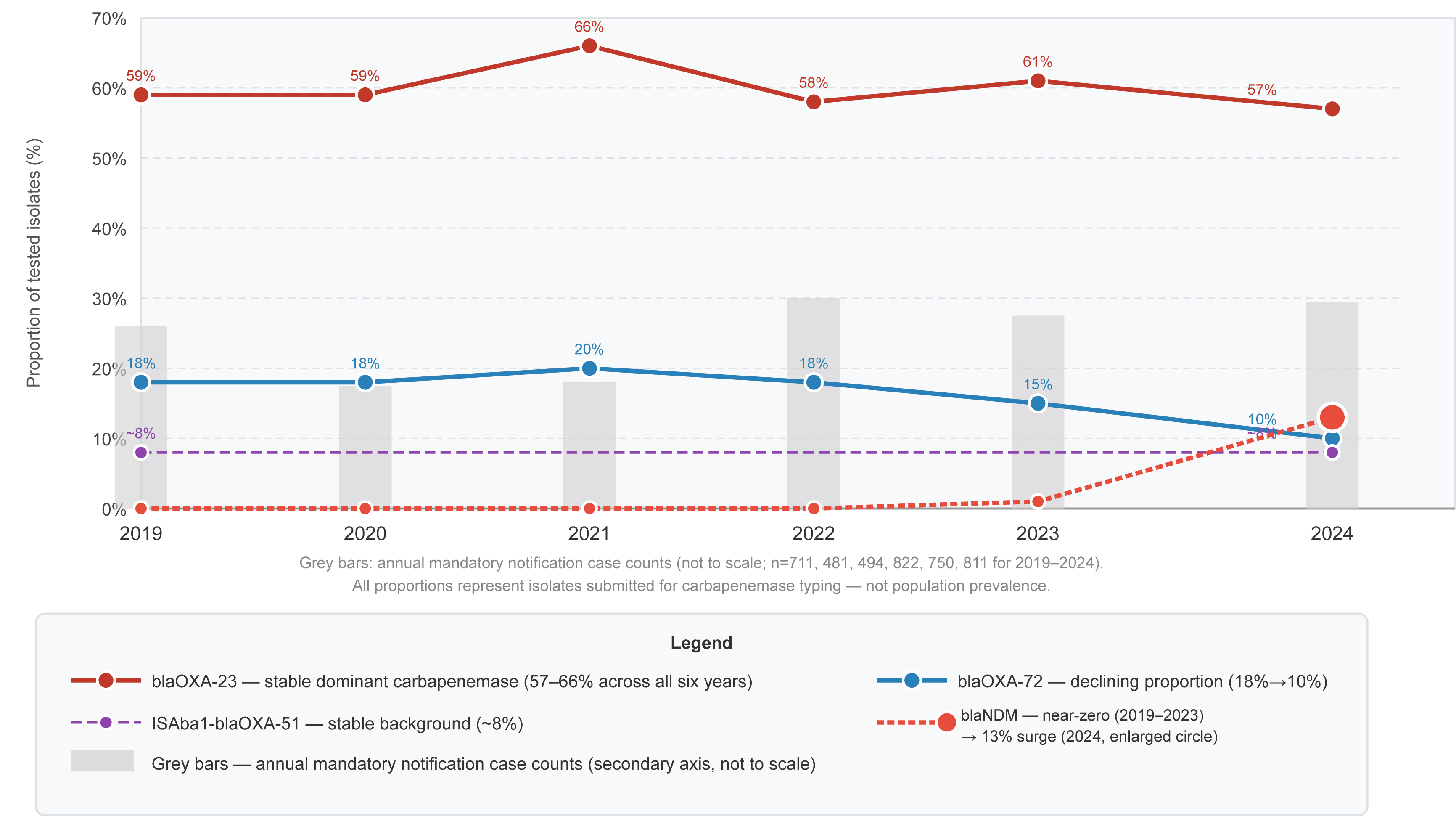
Acinetobacter baumannii (A. baumannii) is a leading cause of difficult-to-treat healthcare-associated infections worldwide and has been classified as a priority “1” critical pathogen by the World Health Organization (WHO). Germany reported 811 mandatory notification cases in 2024, with blaNDM detected in 13% of gene-positive notified cases (49/372; 95% CI 10.1%–17.0%). No comprehensive One Health synthesis of German A. baumannii science has previously existed. We conducted four parallel systematic literature searches across thirteen electronic databases, covering research from January 2019 to June 2026 and guided by PRISMA 2020, to identify peer-reviewed German A. baumannii publications across four domains: animals, environment, humans, and resistance gene characterization. In parallel, Acinetobacter-specific data were extracted from six consecutive annual volumes of RKI’s “Infektionsepidemiologisches Jahrbücher” (2019–2024) on Infectious Disease Epidemiology and compared with the peer-reviewed literature across ten parameters. Thirty-two unique peer-reviewed papers were identified: nine animal, twelve environmental, eight human clinical, and fifteen resistance gene characterization. The blaOXA-23 dominated all six surveillance years at 57–66%, and blaNDM surged to 13% of gene-positive notified cases in 2024, with no peer-reviewed characterization of the responsible lineage. Three critical One Health findings emerged: an NDM-1-positive ST25 A. baumannii isolate from an Italian dog processed at a German veterinary laboratory in 2018 predated the 2024 surveillance signal, an epidemiologically unlinked but hypothesis-generating temporal pattern; multidrug resistant (MDR) A. baumannii with clinically associated multilocus sequence typing (MLST) profiles was detected in urban wastewater treatment plants receiving hospital wastewater, without concurrent analysis of patient isolates; and the equine collection contained globally distributed IC1–IC3/ST1–ST3 lineages but did not establish resistance-island identity with German intensive care unit (ICU) strains. No eligible German study simultaneously sampled environmental and human clinical isolates from the same geographic catchment by whole-genome sequencing (WGS). Nineteen research gaps were identified, nine classified as urgent. Germany's animal, environmental, and human clinical A. baumannii research communities operate in parallel without cross-domain genomic linkage. The 2024 blaNDM surveillance signal requires lineage-resolved molecular characterization to determine whether it represents true epidemiological emergence, improved detection, or importation, and to support susceptibility-guided therapy and integrated One Health genomic surveillance.
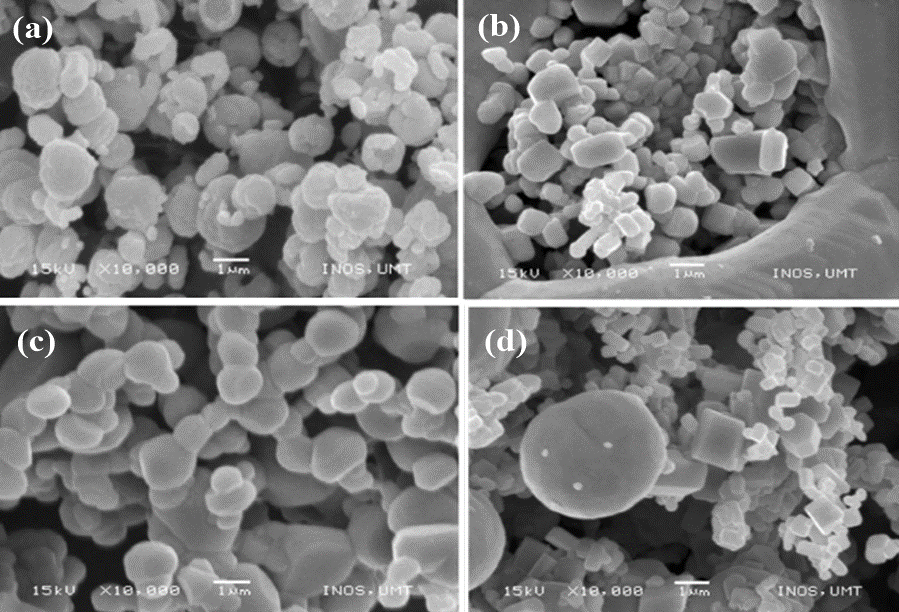
Globally, there has been considerable interest in the environmentally benign production of transition-metal nanoparticles. This study describes the synthesis of ZnO and Ag-doped ZnO nanoparticles using the leaf extract of Leucophyllum frutescens via a simple green method. The synthesized nanoparticles were characterized by Ultraviolet-Visible (UV-Vis) spectroscopy, Fourier Transform Infrared (FTIR) spectroscopy, X-ray diffraction (XRD), Transmission electron microscopy (TEM), and scanning electron microscopy (SEM). TEM analysis showed that the crystallites were spherical and polyhedral, highly agglomerated, and had interplanar diameters ranging from 0.2005 to 0.2625 nm. The antimicrobial efficacy of the developed ZnO and Ag/ZnO nanoparticles at concentrations of 3%, 5%, and 7% was evaluated against human pathogens, including Bacillus cereus, Staphylococcus aureus, Salmonella typhi, and Escherichia coli. The synthesized ZnO and Ag-doped ZnO nanoparticles showed a characteristic absorption band in the UV region, confirming successful formation of ZnO-based semiconductor nanostructures and supporting their antibacterial activity against the tested pathogens. The results revealed that at 7% Ag-doping, Ag-doped ZnO nanoparticles exhibited greater antibacterial efficacy than pure ZnO nanoparticles, with the largest inhibition zones observed against S. aureus (11 ± 3.0 mm) and B. cereus (12.45 ± 0.57 mm). Overall, this plant-mediated synthesis of Ag-doped ZnO nanoparticles offers a promising route for developing enhanced antibacterial agents and highlights a green, cost-effective, and sustainable method for producing ZnO and Ag-doped ZnO nanoparticles, with various applications for future exploration.
Malaria remains a leading cause of morbidity and mortality in sub-Saharan Africa; however, the clinical profiles of older adults with malaria are poorly characterized. Here, we investigated age-related differences in inflammatory burden and acute kidney injury (AKI) among hospitalized patients with malaria in Luanda, Angola. We conducted a cross-sectional study of 518 patients with malaria at two tertiary hospitals in Luanda, Angola, from January 2023 to December 2024. Logistic regression assessed associations between age group and inflammatory burden scores and AKI. Older adults (>50 years) represented 9.8% of patients with malaria. After multivariable analysis, gender, ABO blood group, HbS genotype, parasitemia, and AKI were not associated with age group (p>0.05). In contrast, moderate [AOR: 0.40 (95% CI: 0.18–0.90), p=0.028] and high inflammatory burden [AOR: 0.19 (95% CI: 0.04–0.91), p=0.038] were associated with lower odds of being in the older age group. AKI was more frequent in older adults (35.3% vs 34.7%) and was associated with slightly increased odds (AOR: 1.09; p=0.842), although this was not statistically significant. Patients over 50 years of age constituted a clinically distinct group among hospitalized malaria cases, characterized by a markedly reduced inflammatory response and a slight increase in acute kidney injury compared to younger patients, despite similar parasitemia. These findings highlight important age-related differences in the pathophysiology of malaria and reinforce the importance of including the elderly in targeted clinical and public health strategies in malaria-endemic areas.
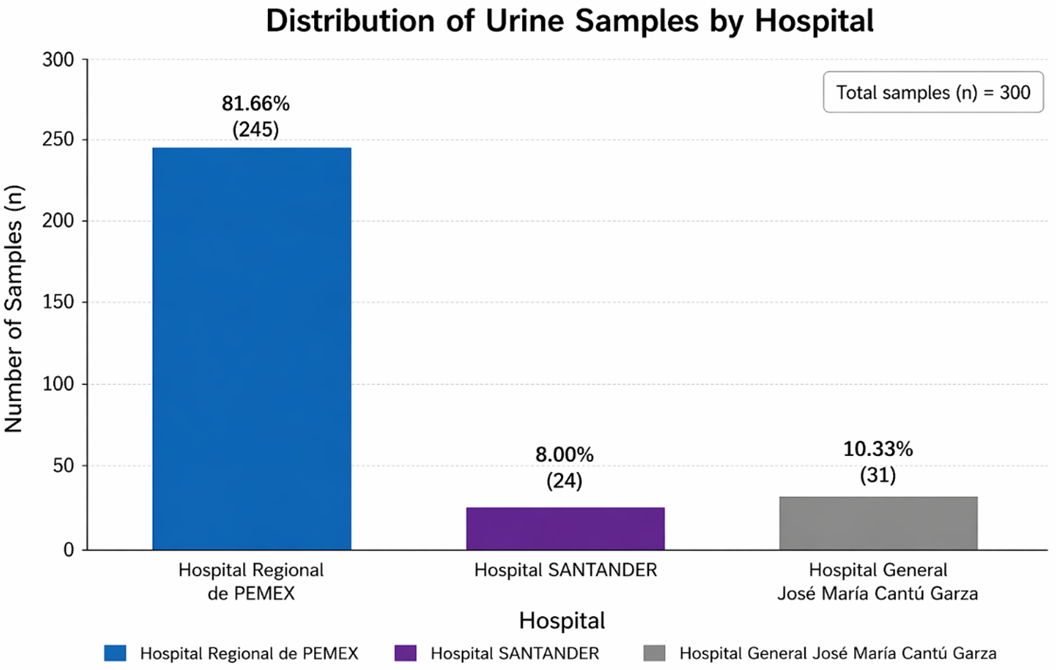
Urinary tract infections (UTIs) are among the most common bacterial infections worldwide, accounting for approximately 150 million cases annually and an estimated 3.8 million cases each year in Mexico. The principal uropathogens are Escherichia coli, Klebsiella pneumoniae, and Proteus mirabilis, all of which are opportunistic zoonotic bacteria associated with humans, companion animals, livestock, and wildlife. Within the One Health framework, these pathogens and their antimicrobial resistance (AMR) determinants may circulate across healthcare settings, communities, animals, and the environment, highlighting the need for integrated surveillance. Although conventional urine culture remains the diagnostic gold standard, rapid molecular methods can facilitate timely diagnosis and support antimicrobial stewardship. This study analyzed 300 urine samples collected from three hospitals representing different levels of healthcare complexity in Reynosa, Tamaulipas, Mexico. Conventional urine culture and species-specific PCR assays targeting E. coli, K. pneumoniae, and P. mirabilis were performed. Fifty-six samples yielded positive urine cultures, with E. coli identified as the predominant uropathogen (85.7%, 48/56), followed by K. pneumoniae (10.7%, 6/56) and P. mirabilis (3.6%, 2/56). Positive cases were more frequent among females (70%). In addition, a multiplex PCR assay was developed and validated for the simultaneous detection of the three pathogens. The assay was also successfully applied directly to unprocessed urine samples, provided that urine represented no more than 20% of the total PCR reaction volume. The multiplex PCR demonstrated 100% concordance with conventional culture results while substantially reducing diagnostic turnaround time. To our knowledge, this is the first study conducted in Reynosa, Tamaulipas, to integrate conventional microbiological and molecular diagnostics for UTIs within a One Health framework. These findings establish a methodological baseline for regional surveillance of uropathogens at the human–healthcare–environment interface, supporting future cross-border One Health surveillance initiatives.
Suboptimal management, declining host immunity and fitness, and increased pathogen diversity, evolution, and emergence constitute, as a whole, a worrisome biosecurity perspective, especially through the One Health lens. This article aims to increase systemic resilience, robustness, and effectiveness against bioevents affecting the entirety of potential hosts, including humans, animals, plants, and microbes, in all relevant environments: urban, rural, industrial, hospital, and wildlife. Bioresilience 2.0 integrates better governance with improved cognition and diverse relevant technologies to make preparedness and response relevant, adequate, sustainable, and affordable. The main message of this conceptual review is that emerging bioscience technologies, empowered by new or improved concepts and operating procedures, implemented through hardware derived from other fields, and governed optimally, may result in more effective preparedness and response. As practical implications, less systemic liability and increased readiness are expected, with dispersed, multiple, sustainable formats achievable through affordable commercial support technologies and means, coupled to integrative approaches that stress flexibility, procedural and technical synergies, and are informed by integrative thinking across sectors and by innovative, coordinated planning by the respective implicated agencies, which would guide surveillance and intervention
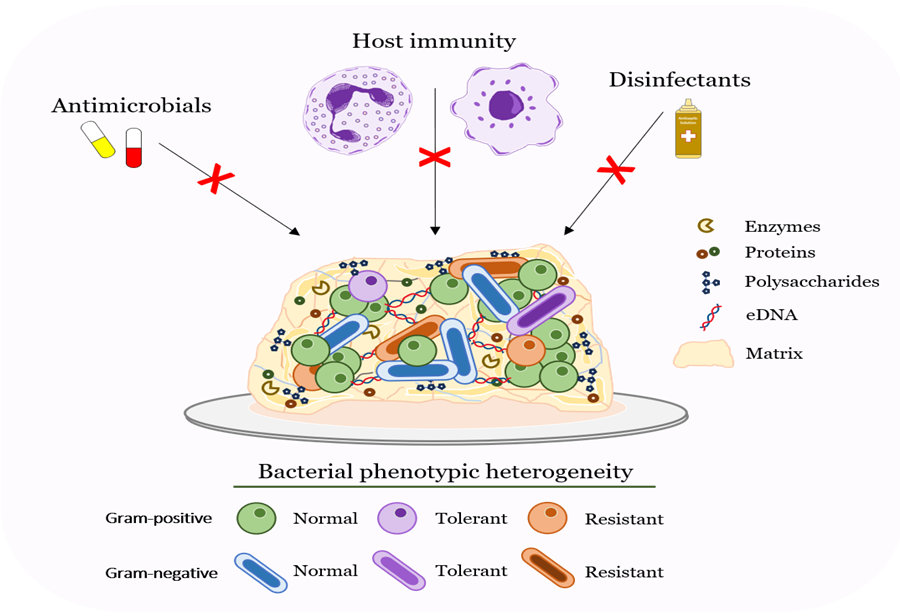
Antimicrobial resistance (AMR) in poultry production is driven by interactions among animal health, antimicrobial use, farm microenvironments, bacterial ecology, and food-chain exposure. This study evaluated whole plant black ginger (Kaempferia parviflora Wall. ex Baker) powder as a locally available phytogenic intervention for yellow-feather Rilai broilers challenged with avian pathogenic Escherichia coli (APEC) under cold-humid stress. A total of 180 one-day-old male chicks were assigned to four treatments, with three replicate pens per treatment and 15 birds per pen: non-challenged control, E. coli-challenged control, antibiotic-treated challenged control, and black-ginger-supplemented challenged birds. Black ginger was provided continuously from day 1 to day 84 at 5 g/kg feed, before and after the day-35 APEC challenge. Compared with the challenged control, black ginger supplementation improved clinical response and feed conversion and reduced cecal E. coli and coliform counts. It also lowered malondialdehyde concentration and was associated with lower end-point abundance of selected AMR genes (blaTEM, tetA, sul1, qnrS, and mcr-1) than in the antibiotic-treated challenged group. However, no pre-treatment AMR baseline, phenotypic resistance testing, or whole resistome analysis was performed; therefore, AMR results should be interpreted as cecal gene-abundance indicators rather than proof of reduced antimicrobial resistance. These findings support black ginger as a promising preventive phytogenic supplement that may improve host resilience under combined climatic and infectious stress, but not as a replacement for veterinary antimicrobial therapy when clinically required.
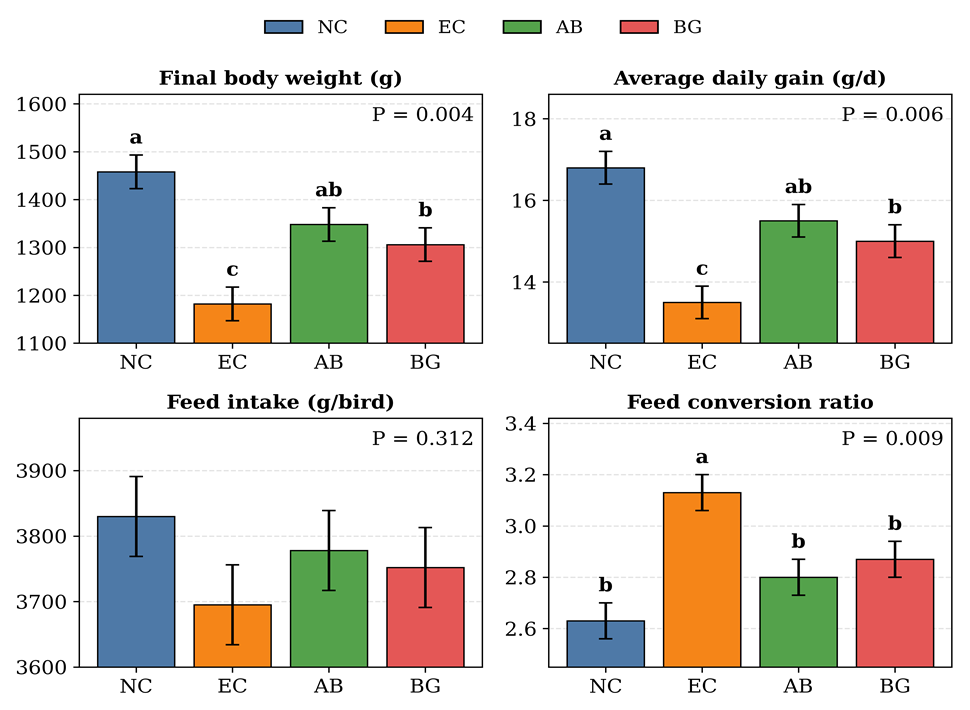
The One Health (OH) approach promotes integrated, multi-sectoral collaboration to address complex health threats at the human-animal-environment interface. This study examined operational gaps and opportunities to strengthen multi-sectoral OH coordination in Tanzania, drawing on empirical data and lessons from recent Marburg virus disease outbreaks. Given the growing number of emerging and re-emerging threats, the research aimed to develop a context-specific framework to enhance OH governance, communication, collaboration, and capacity building. A descriptive cross-sectional design included 101 participants from the health, livestock, agriculture, environment, and wildlife sectors across three regions (Arusha, Iringa, and Dodoma). Data were collected via semi-structured questionnaires and analyzed using quantitative and qualitative methods to assess knowledge, awareness, communication, and institutional structures. General findings revealed weak inter-sectoral coordination, limited awareness of OH guidelines, siloed operations, ad hoc communication, inadequate training, and insufficient financial resources, particularly at the subnational level. At the subnational level, only 33.7% (n=34) reported awareness of OH, and 27.7% (n=28) could identify core elements of OH. Coordination was largely reactive: 76.2% (n=77) were engaged only during crises, while routine operations remained fragmented. Communication was similarly ad hoc: 58.4% (n=59) reported it, and only 28.7% (n=29) reported regular interaction during outbreaks. Resource mobilization was donor-dependent and unpredictable, constraining preparedness and response. A striking 78.2% (n=79) of subnational participants reported a lack of policy integration and limited awareness of OH guidelines, while 56.4% (n=57) indicated unclear roles and responsibilities. The proposed framework offers a practical roadmap for institutionalizing OH in Tanzania. Its implementation is expected to enhance preparedness, early detection, and response to health threats, while fostering resilience and whole of government collaboration. It provides a scalable model for strengthening health security and operationalizing OH in similar contexts. Therefore, it is recommended that the proposed operational framework be tested and its performance systematically evaluated during future outbreak responses in Tanzania and extended to broader contexts beyond.
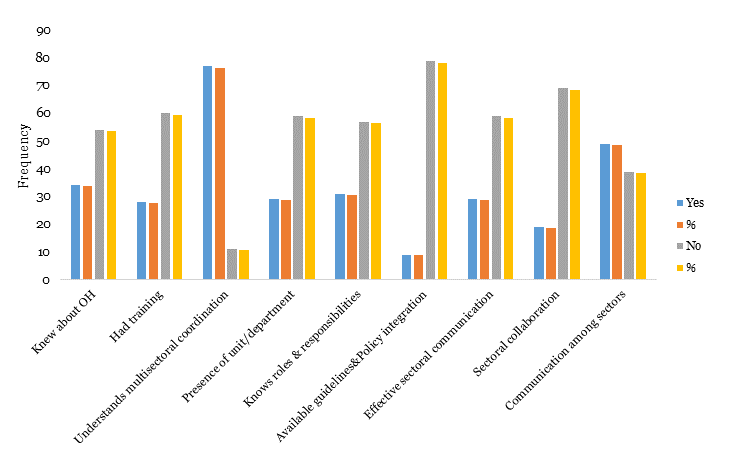
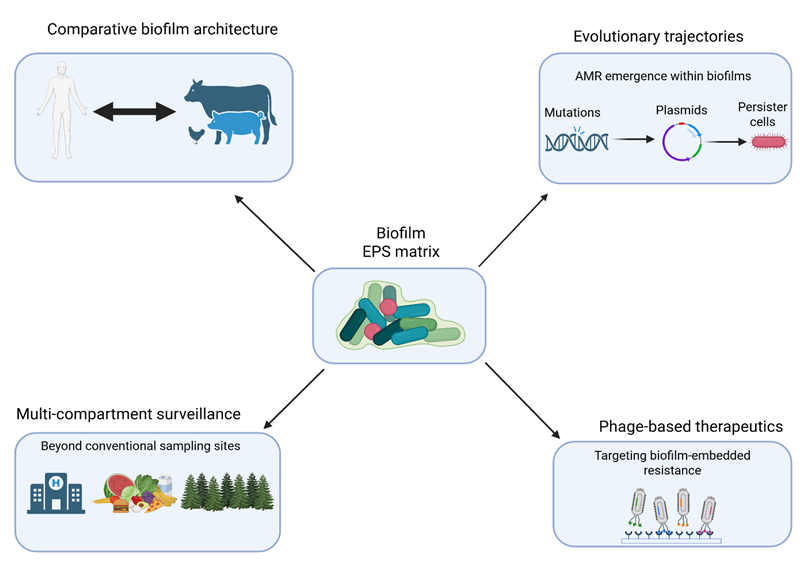
Antimicrobial resistance (AMR) is widely recognized as a One Health (OH) challenge requiring coordinated action across the human, veterinary, and environmental sectors. However, current frameworks primarily focus on antimicrobial use, transmission pathways, and resistant organisms, while largely overlooking the ecological source from which resistance develops. Biofilms, the predominant lifestyle of many clinically relevant microorganisms, represent such a source. Their extracellular matrix and phenotypic heterogeneity contribute to antimicrobial tolerance, while their spatial arrangement facilitates horizontal gene transfer, making biofilms reservoirs for AMR evolution. Biofilm-associated infections are common in both human and veterinary medicine, including surgical site infections (SSIs), chronic wounds, periodontal disease, and device-related infections. Despite similarities in causative pathogens, infection biology, antimicrobial exposure, and clinical management, these infections are largely investigated independently. Opportunities to identify shared biological mechanisms and develop cross-sector preventive, diagnostic, and therapeutic strategies remain unexplored. This opinion article proposes to implement the OH Biofilm framework, recognizing biofilms as shared ecological and evolutionary entities across human and veterinary medicine. SSIs and periodontitis are used as illustrative examples to demonstrate the similarities between the two sectors. Integrating biofilm biology into OH surveillance, research, prevention, diagnostics, and antimicrobial stewardship may provide a more mechanistic and effective framework for combating AMR.
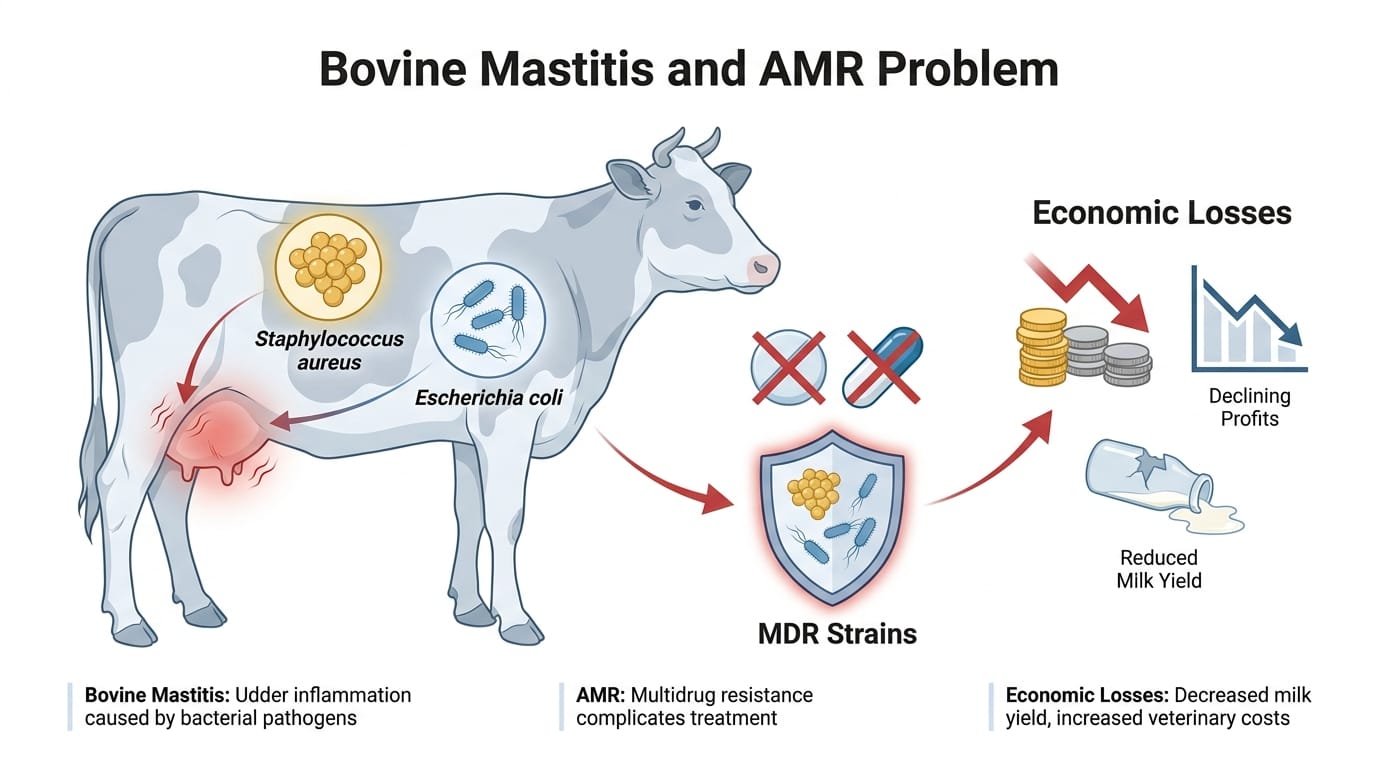
Antimicrobial resistance has emerged as a major challenge for both human and veterinary health, highlighting the need for novel therapeutic approaches. Bovine mastitis remains one of the most economically significant infectious diseases affecting dairy production worldwide. In this narrative review, we examine current evidence regarding the antibacterial potential of Punica granatum L. (pomegranate) and its major bioactive constituents, particularly punicalagin, against clinically relevant multidrug-resistant bacterial pathogens. Recent studies indicate that pomegranate-derived extracts possess antibacterial activity against several mastitis-associated organisms, including Staphylococcus aureus and Escherichia coli. Experimental evidence suggests that punicalagin may contribute to membrane destabilization, increased membrane permeability, interference with biofilm formation, and modulation of bacterial stress-response pathways, although the relative importance of these mechanisms appears to vary among bacterial species and experimental systems. Several studies have also reported synergistic interactions between pomegranate-derived compounds and conventional antibiotics against selected multidrug-resistant pathogens. Despite these promising findings, the current evidence remains dominated by in vitro investigations, while in vivo efficacy, pharmacokinetic characterization, toxicological assessment, and clinical validation remain limited.
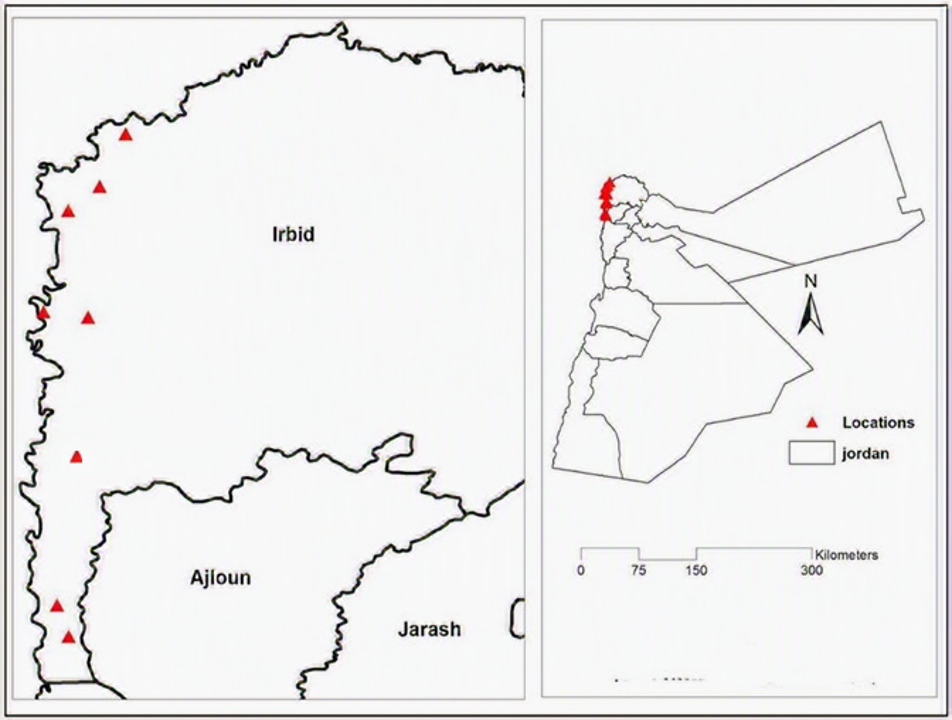
Bovine ephemeral fever (BEF) is an economically significant vector-borne viral disease of cattle and buffaloes caused by an Ephemerovirus in the family Rhabdoviridae. The disease causes production losses and trade restrictions. Although BEF has been reported in several neighboring countries, it had not previously been documented in Jordan. This study describes two suspected BEF outbreaks in Jordan in 2018 and 2021, focusing on clinical and laboratory findings. In 2018, 14 cattle farms in the Jordan Valley were investigated, and 315 animals were examined. Affected cattle exhibited sudden fever, reduced feed intake, and spontaneous recovery within 2–4 days. The morbidity rate was 8.6%, and no deaths were recorded. A total of 122 paired blood and serum samples were collected from clinical, non-clinical, and neighboring animals. Qualitative BEF antibody ELISA testing detected antibodies in three clinical cases, whereas all non-clinical animals were negative. In contrast, during the 2021 investigation, four farms were examined, and 90 cattle showed similar clinical signs. However, BEF antibody testing of 20 serum samples collected from the investigated cattle was negative, and no morbidity or mortality was recorded. Viral RNA was not detected by RT-PCR in both years. These findings confirm the clinical and serological occurrence of BEF in Jordan in 2018, whereas the 2021 event showed no serological or molecular evidence of infection. Continued surveillance and laboratory monitoring are essential for detecting and controlling BEF in the region.
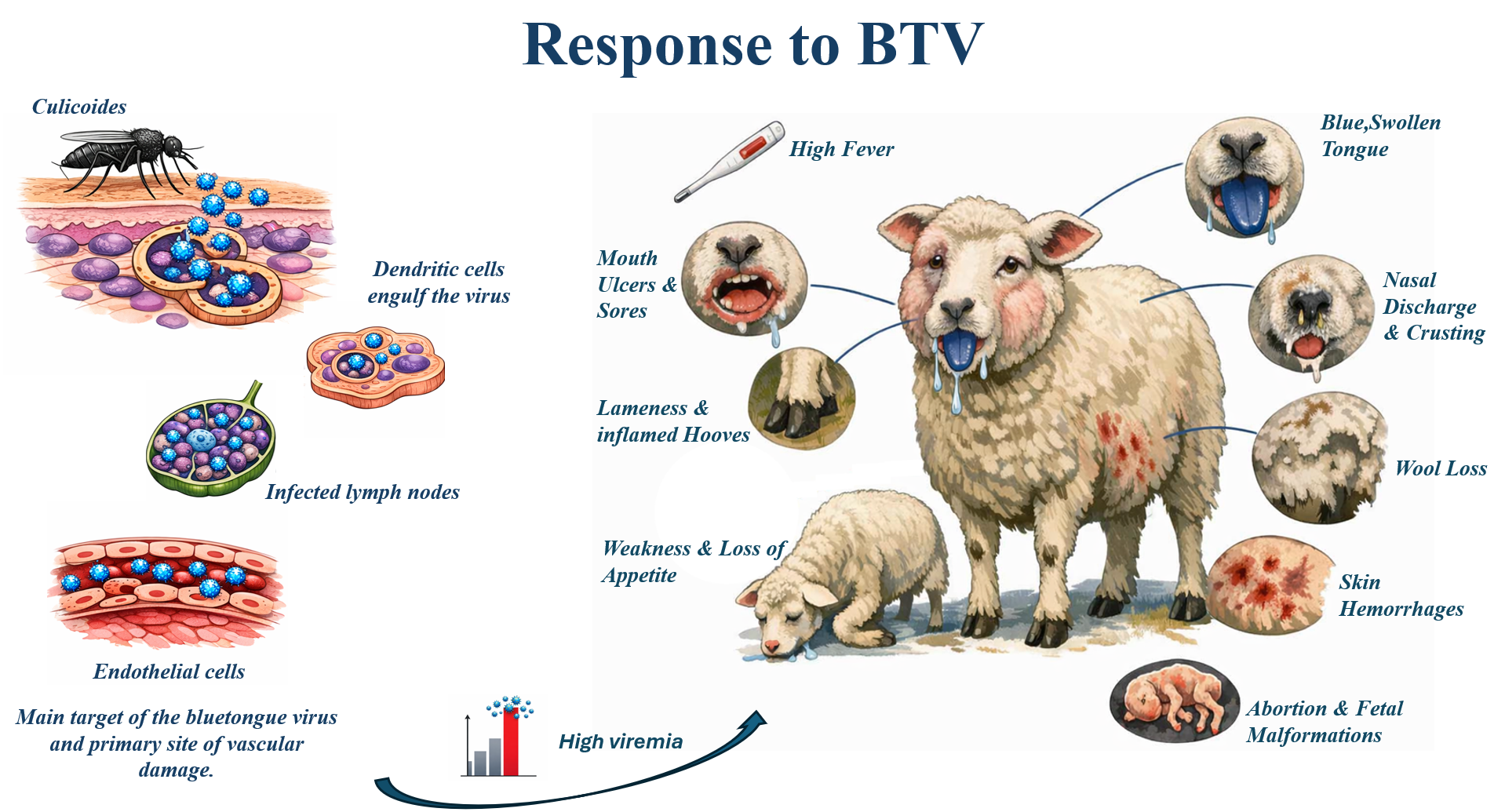
The bluetongue virus (BTV) is the causative agent of bluetongue, a non-contagious viral disease affecting ruminants. It is transmitted by insects of the Culicoides genus. The disease's complexity is reflected in the large number of recognized serotypes. Bluetongue can be particularly severe in sheep, causing symptoms such as fever, facial edema, cyanosis of the tongue, oral lesions, lameness, and high mortality. Cattle serve as a subclinical reservoir. Controlling BTV is a crucial challenge in livestock farming, requiring the identification of innovative vaccination strategies that induce effective immunity against the various circulating serotypes. In this context, the "vaccine paradox" of BTV emerges, revealing a discrepancy between the proven immunological efficacy of available vaccines and their inability to ensure stable epidemiological control. This paper investigates the reasons for this discrepancy and clarifies the structural limitations that prevent current vaccination strategies from achieving this.
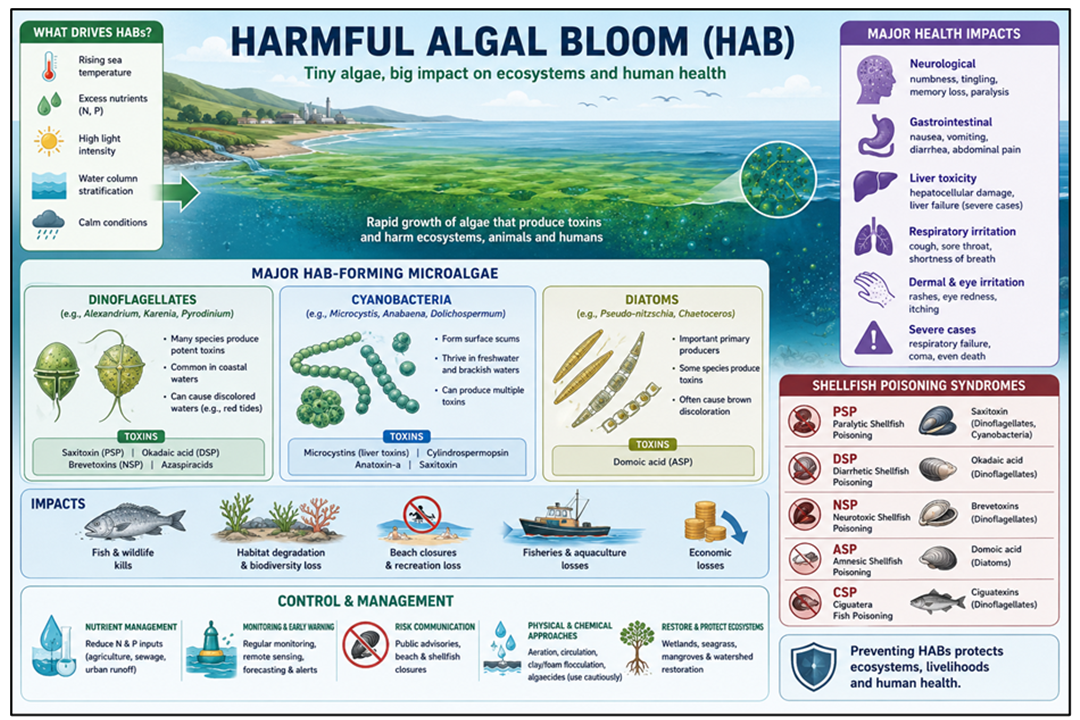
Harmful algal blooms (HABs) are a catastrophic phenomenon in aquatic ecosystems globally, occurring in freshwater bodies and sometimes in marine and brackish waters, due to large numbers of cyanobacteria and microalgae, including dinoflagellates. HABs are dangerous and may be fatal to humans and animals due to toxicity and anoxic conditions. They also cause paralytic shellfish poisoning and kill fish in water bodies. Major factors include eutrophication, rising temperatures, stagnant water, and increased sunlight. Promising paths for early intervention are enabled by efficient monitoring and detection techniques, such as molecular biotechnology, artificial intelligence-driven predictive models, and satellite remote sensing. The negative consequences of HABs can be mitigated through sustainable management techniques such as bioremediation, nutrient load reductions, and regulatory measures. Public awareness and community involvement also play a critical role in preventing and mitigating HAB incidents by encouraging ethical farming methods, reducing waste discharge, and bolstering conservation initiatives. In this short communication, the authors outline the major causes and mitigation strategies for HABs. In addition, modern strategies, policies, and the current status have been discussed.
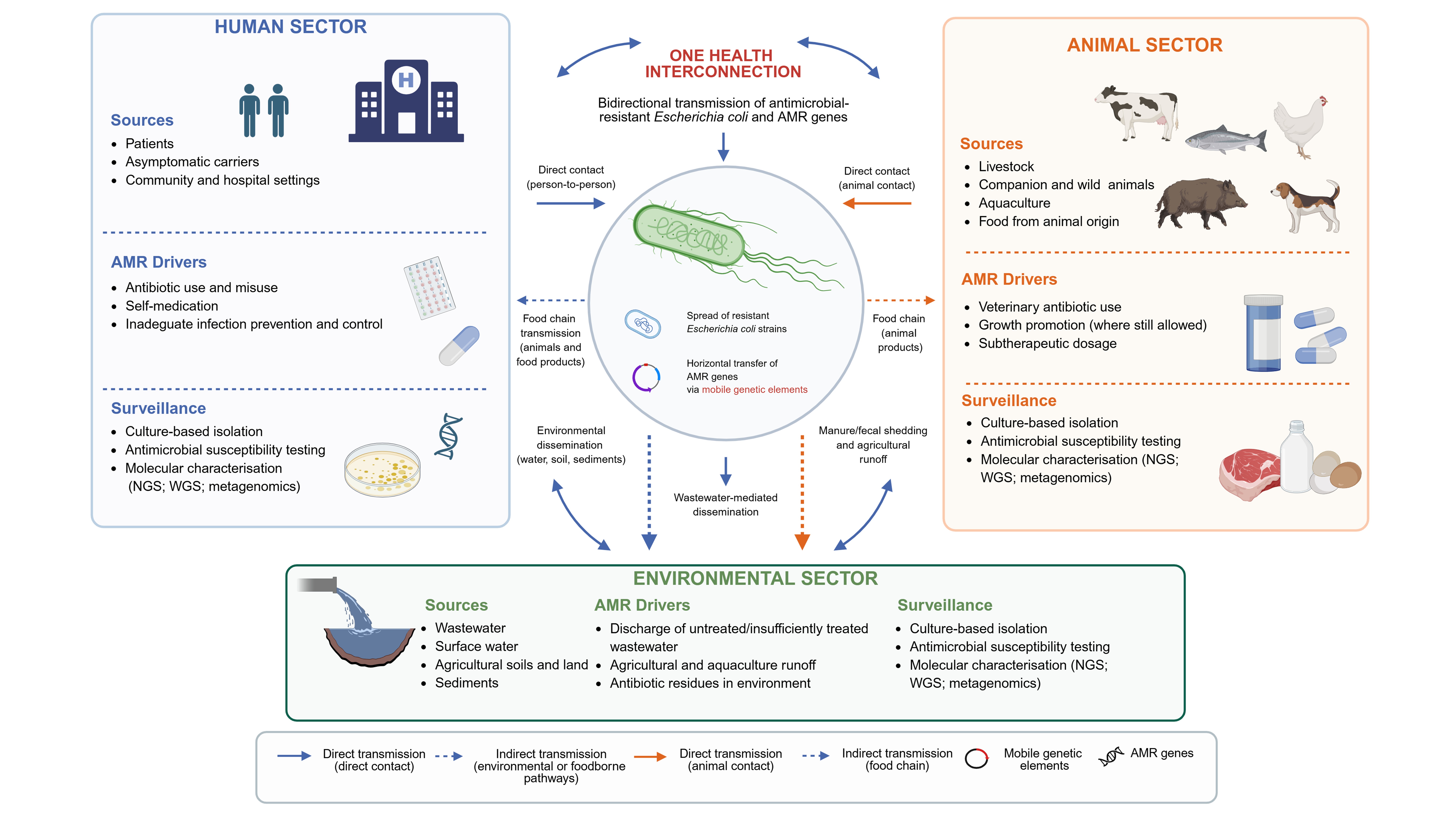
Antimicrobial resistance (AMR) surveillance increasingly requires systems that integrate human, animal, food-chain, and environmental data. Escherichia coli (E. coli) is a valuable sentinel organism for this purpose because it is ubiquitous across One Health compartments, easy to isolate and phenotypically test, clinically relevant as both a commensal and an extraintestinal pathogen, and genetically equipped to acquire and disseminate mobile genetic determinants of AMR. This narrative review revises and updates the scientific rationale for using E. coli as an indicator organism in integrated AMR surveillance, with emphasis on current publications and institutional guidance. The evidence supports E. coli as a practical cross-sector indicator, but interpretation requires caution: clonal overlap between sectors is often limited, whereas plasmids, resistance genes, and mobile genetic elements (MGEs) may circulate across ecological boundaries. A robust One Health surveillance system should therefore combine standardized sampling, harmonized antimicrobial susceptibility testing, whole-genome sequencing (WGS), selected long-read sequencing for plasmid reconstruction, environmental and wastewater surveillance, metagenomics, and, for selected questions, proteomic approaches that assess the expression and function of resistance mechanisms. The review proposes a pragmatic framework for surveillance design, interpretation, and action. E. coli should not be treated as a universal proxy for all AMR hazards, but as a high-value sentinel when data are generated and interpreted through explicit epidemiological objectives, comparable methods, and sector-specific metadata. Finally, this review briefly summarizes the challenges confronting AMR surveillance and recommends key actions to overcome them.
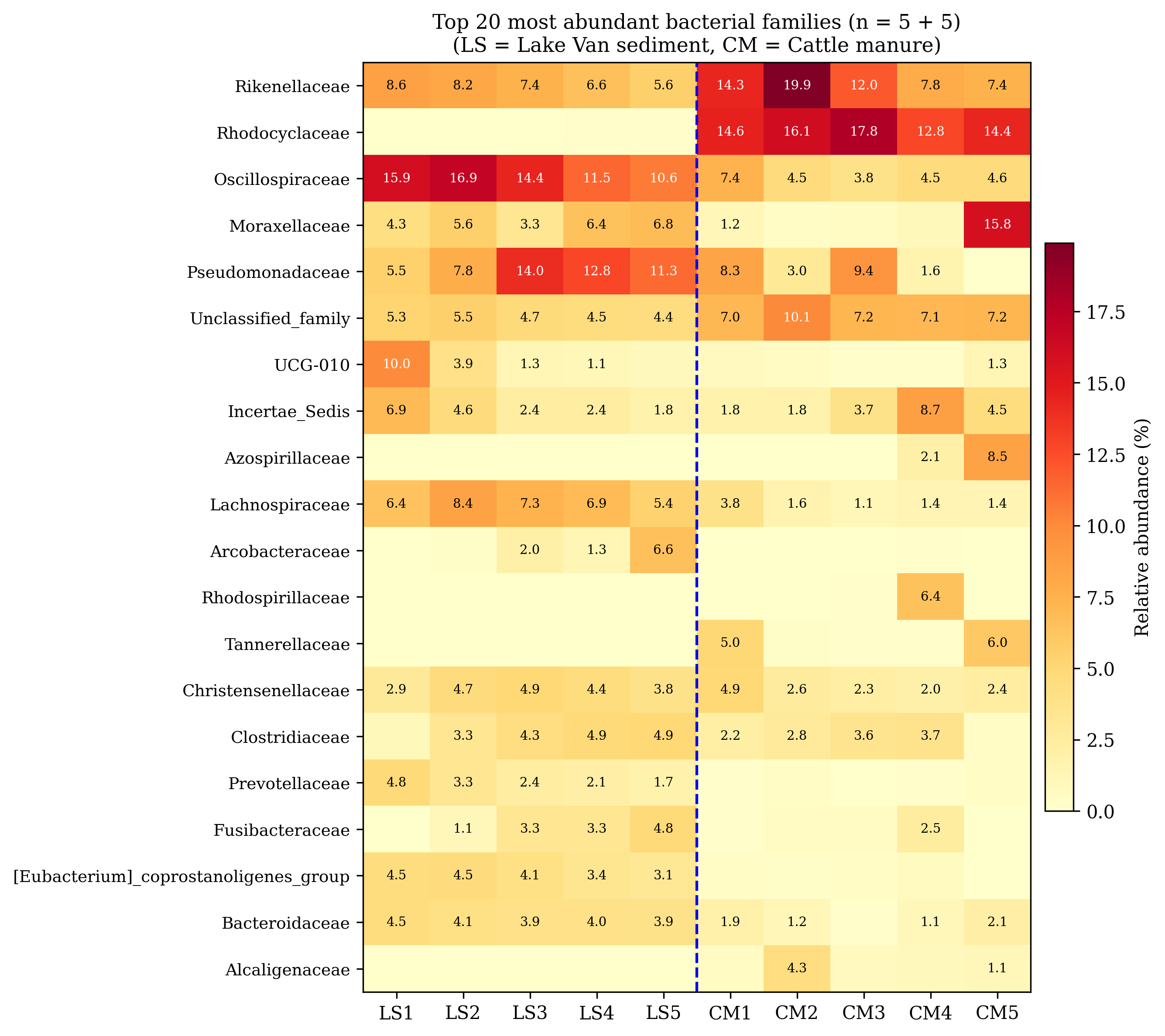
The agricultural dissemination of livestock-derived fecal microbiota into aquatic ecosystems presents a significant One Health challenge. However, polyextreme environments, such as the highly alkaline and saline Lake Van, are hypothesized to act as natural environmental filters against non-adapted, allochthonous microorganisms. This study evaluated the selective environmental filtering potential of the Lake Van ecosystem against cattle manure inputs. We compared the microbial communities of cattle manure (CM, n = 5) and Lake Van coastal sediment (LS, n = 5) using 16S rRNA gene amplicon sequencing at the strict amplicon sequence variant (ASV) level. The analysis revealed a profound compositional separation between the two compartments (PERMANOVA pseudo-F = 5.21, p = 0.011), with only 8.6% of the 45,842 detected ASVs shared across environments. A sharp alpha diversity contrast in favor of LS was accompanied by a phylum-level inversion between Bacillota (LS-dominant) and Pseudomonadota (CM-dominant). Crucially, classic fecal and zoonotic indicators (Escherichia–Shigella, Enterobacteriaceae, Acinetobacter, Burkholderiaceae, and Streptococcus) exhibited a systematic 3- to 42-fold reduction in the sediment. Conversely, obligately anaerobic Bacillota families, including spore-forming Clostridium, persisted in the LS environment. The polyextreme physicochemical conditions of the soda lake impose a strong environmental filtering effect on manure-derived microbial diversity. While this filter substantially attenuates aerobically-tolerant fecal microbiota, the persistence of strict anaerobes indicates that the filtering effect is selective rather than absolute. The minimal shared-ASV fraction places a strict upper bound on strain-level fecal–sediment connectivity, underscoring the severe selective pressures of the extreme soda-lake environment.
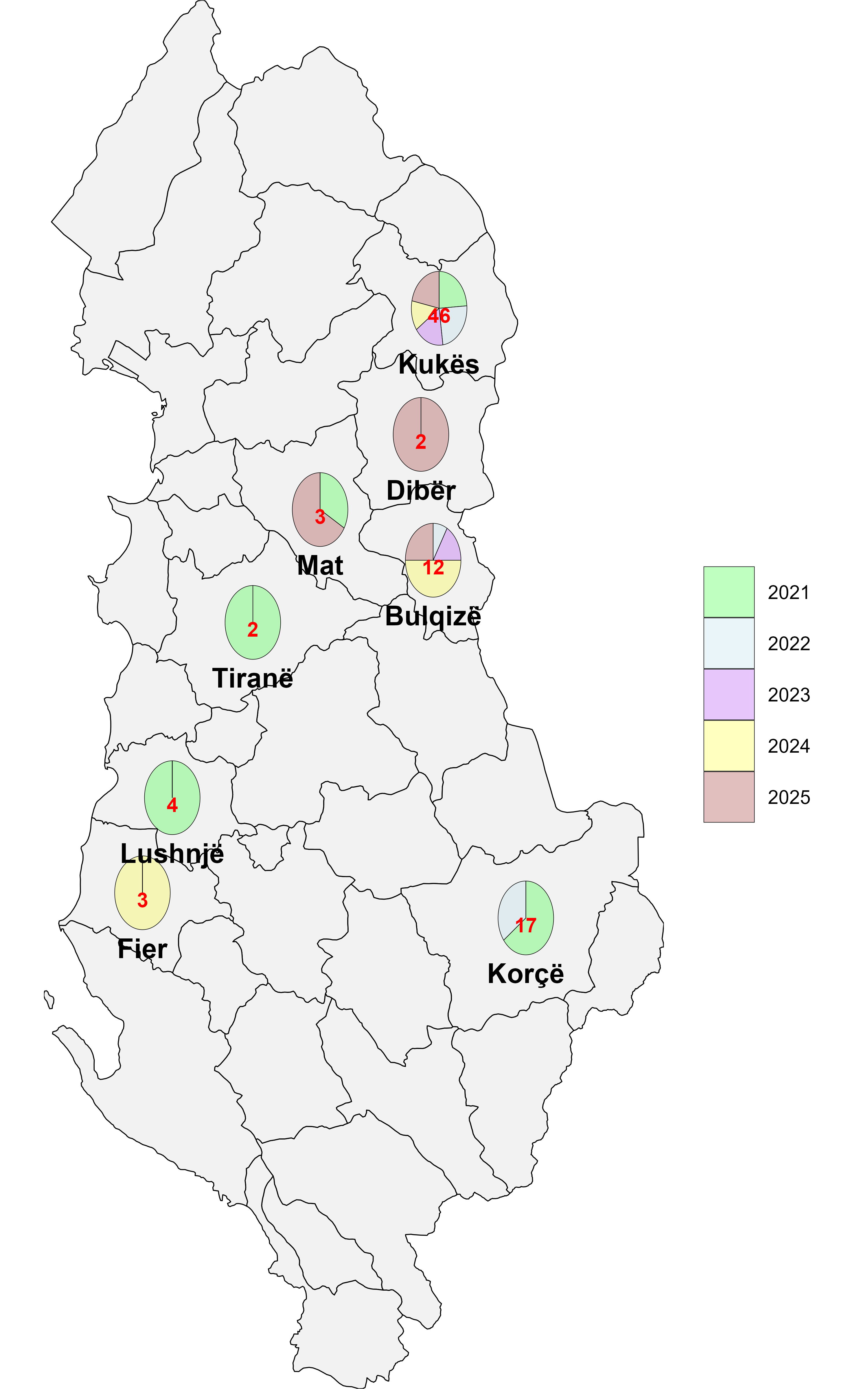
Brucellosis and bovine tuberculosis (bTB) are the most significant zoonotic diseases in Albania, largely because they persist endemically in livestock populations, pose occupational risks to animal handlers, and continue to cause sporadic human infections. Despite control measures such as risk-based brucellosis vaccination in small ruminants, slaughterhouse surveillance for bTB, and routine disease testing in cattle, these interventions have not yet achieved effective or sustainable eradication. Between 2021 and 2025, district-level program data for both zoonoses were collected and analyzed. A retrospective review of national surveillance datasets identified 189 seropositive brucellosis cases during the study period. The highest proportions were recorded in Vlorë (61 cases; 32.3%), followed by Elbasan (54; 28.6%), Tiranë (41; 21.7%), and Shkodër (33; 17.5%). Over the same period, the bTB surveillance program detected infections on 52 farms, affecting a total of 89 animals. The mean number of affected animals per farm declined progressively across successive years (2021-2025), from 2.64 to 2.00, 1.67, 1.36, and 1.13, respectively. Key control priorities include strengthening vaccination coverage and animal movement controls for brucellosis, enhancing risk-based testing, ensuring the timely removal of reactors, and reinforcing slaughterhouse surveillance for bTB. Routine reporting of the number of animals tested and the geographic locations of testing would enable time-lag analyses, improve prevalence estimates, and support more targeted risk-based interventions. Enhancing public and occupational awareness of transmission pathways, alongside promoting vaccination, is essential for reducing zoonotic risk.